

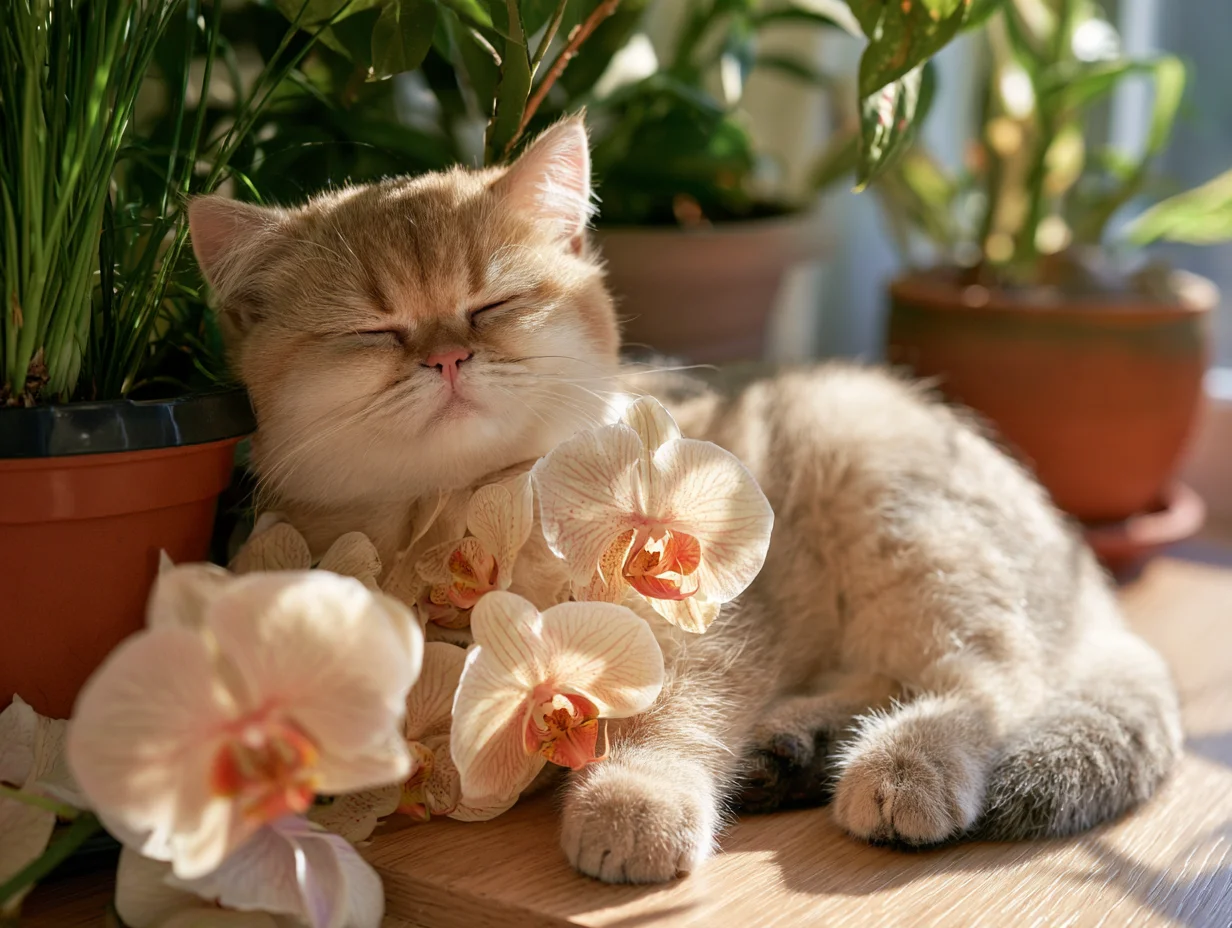
Cats can be exposed to harmful garden plants in several ways. Chewing leaves, flowers, stems, or bulbs may release irritating or poisonous compounds, while licking pollen from fur can lead to ingestion during grooming. Some cats also drink water from plant containers, vases, or saucers that has become contaminated with plant material. Even a small amount may matter for particularly dangerous species, so access to unfamiliar flowers and ornamentals should be prevented whenever possible.
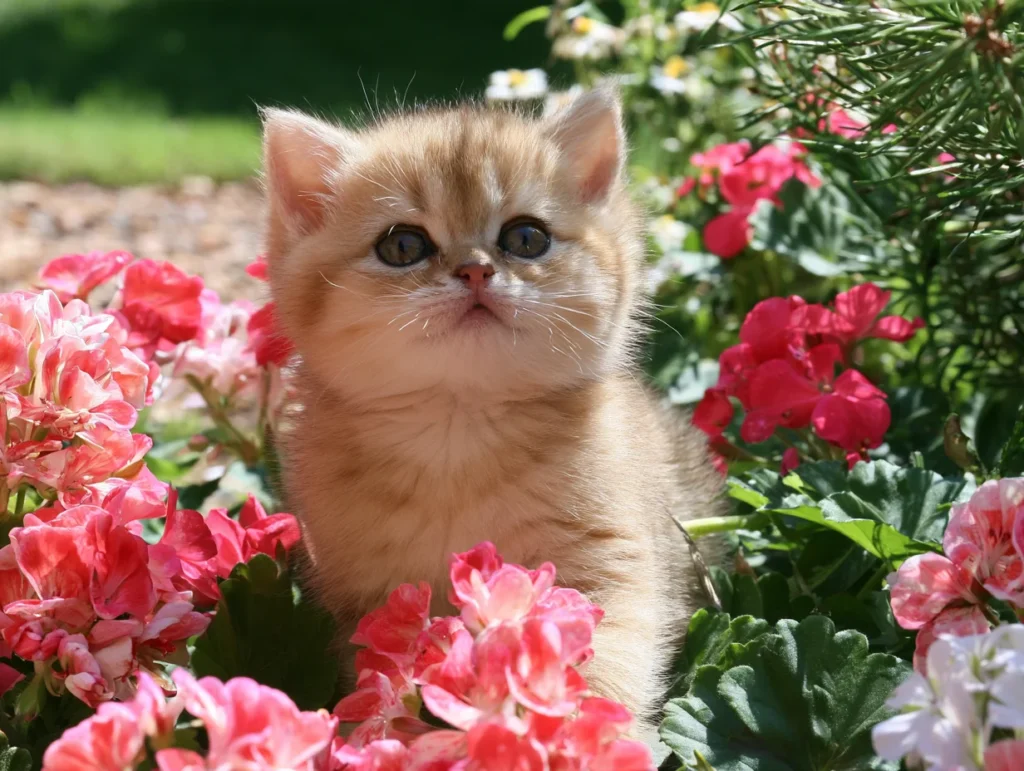
The effects of exposure vary widely. Certain plants cause only temporary mouth irritation or mild gastrointestinal upset, including drooling, pawing at the mouth, vomiting, diarrhea, or reduced appetite. Others can affect the nervous system, heart, or kidneys, producing lethargy, tremors, breathing difficulty, changes in urination, seizures, or potentially fatal organ failure. Confirmed toxic plants should therefore be distinguished from plants that are not considered poisonous but may still irritate the mouth or digestive tract. A non-toxic designation does not mean that a plant is suitable for every cat or safe in unlimited quantities.
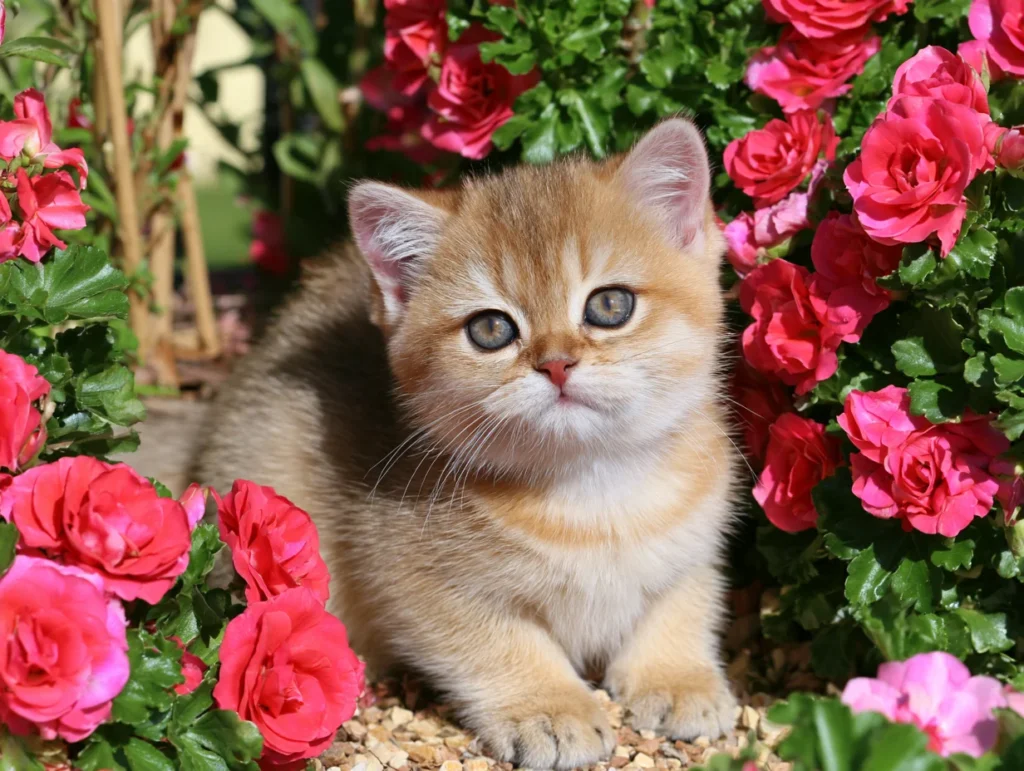
Identification also requires care. Common names may refer to several unrelated species, and cultivars or hybrids can differ from the plant originally researched for safety. Treat every part of an unidentified plant—including pollen, fallen petals, roots, and bulbs—with caution until its scientific identity and cat safety have been verified. If exposure is suspected, contact a veterinarian or an animal poison service immediately rather than waiting for symptoms to appear. Do not induce vomiting or give home treatments unless a professional specifically advises it. Prompt guidance, a sample or photograph of the plant, and details about the amount and time involved can help determine the appropriate response while keeping prevention practical rather than alarmist.

True lilies and daylilies represent an emergency-level danger for cats. Asiatic lilies, Easter lilies, tiger lilies, Stargazer lilies, and daylilies can cause severe acute kidney injury even when exposure seems minimal. Petals, leaves, stems, pollen, and water from a vase may all contain enough toxin to make a cat critically ill. A cat does not need to eat an entire flower; chewing a small piece or drinking contaminated water can be sufficient to create a life-threatening emergency.
Signs may begin within a few hours and commonly include drooling, vomiting, reduced appetite, and unusual lethargy. During the following one to three days, the condition can progress to increased or decreased urination, dehydration, weakness, and kidney failure. Pollen creates an additional hazard. If visible grains land on a cat’s coat, the animal may ingest them while grooming, so pollen on fur should never be dismissed as harmless. Remove the cat from the area and contact a veterinarian or emergency animal hospital immediately.
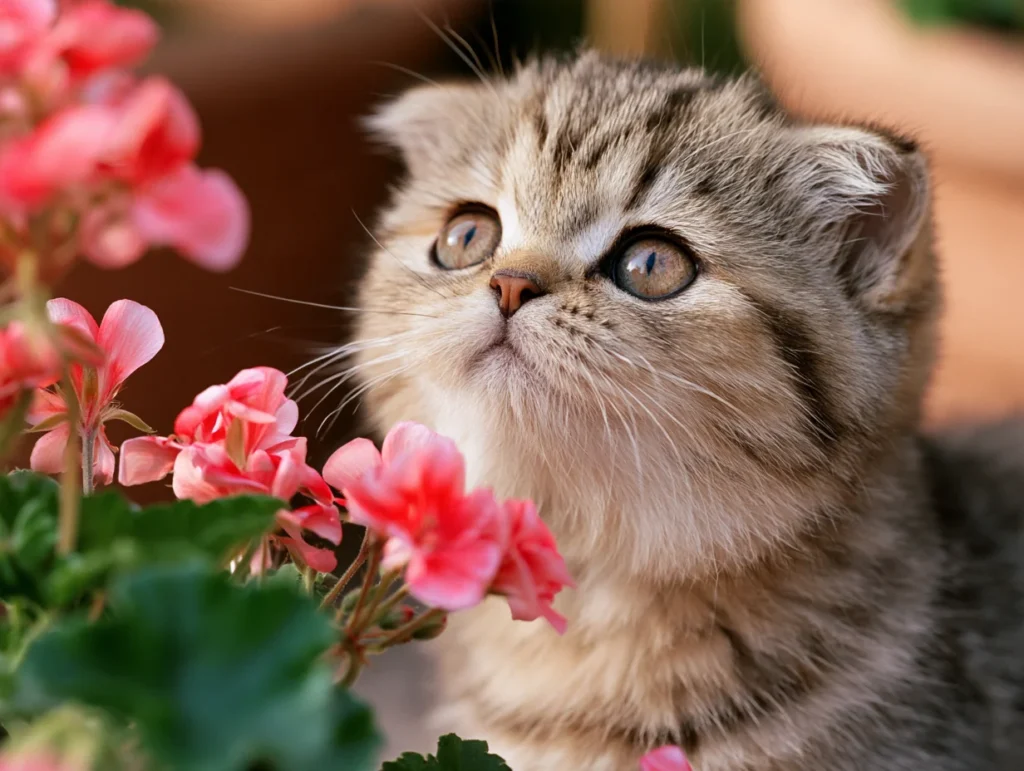
Prompt veterinary treatment offers the best chance of preventing irreversible kidney damage. Do not wait for symptoms to appear, try home remedies, or induce vomiting unless a veterinary professional specifically directs you to do so. Bring the plant, a photograph, or packaging when possible, while keeping the cat away from further exposure. Not every plant containing “lily” in its common name has the same toxicity; peace lilies and calla lilies, for example, differ from true lilies in their primary risks. However, owners should not rely on assumptions or uncertain identification. Keep all unidentified lilies, bouquets, floral arrangements, and vase water securely away from cats.
Several familiar bulbs and ornamental flowers can harm cats, with the greatest danger often concentrated in a particular plant part. Tulips and daffodils are especially hazardous in their bulbs. Eating them may cause drooling, vomiting, diarrhea, and abdominal discomfort. Larger ingestions can progress to tremors, abnormal heart rhythms, or breathing abnormalities. Hyacinths also pose their greatest risk in the bulbs and may produce significant gastrointestinal upset. The amount consumed, rather than a plant’s appearance, helps determine the seriousness of exposure.
Azaleas and rhododendrons contain grayanotoxins, which can affect the digestive system, muscles, blood pressure, and heart. A poisoned cat may vomit, become weak, develop low blood pressure, or experience abnormal heart rhythms. Severe cardiovascular effects can be fatal. Autumn crocus is an especially serious poisoning risk: its toxins may cause intense gastrointestinal illness, organ damage, respiratory failure, and death. It should not be confused with true crocuses, which belong to a different group and generally present a different toxicity profile, although any unknown plant ingestion warrants professional advice.
Chrysanthemums, commonly called mums, may cause drooling, vomiting, diarrhea, skin irritation, incoordination, or loss of appetite. Oleander is more dangerous because it can disrupt the heart while also causing severe gastrointestinal and neurological signs. Sago palm seeds are particularly hazardous and may lead to liver failure, even when the initial symptoms seem limited. These plants should never be considered safe simply because they are common in gardens, bouquets, or indoor displays.
Cyclamen, especially its tubers, can trigger intense vomiting and may cause cardiac or neurological complications. Aloe vera may result in vomiting, diarrhea, lethargy, and mouth or digestive irritation when eaten. Severity depends on the plant, the part consumed, the amount, and the cat’s overall health, but none of these exposures should be dismissed. Remove access to the plant, preserve a sample or label for identification, and contact a veterinarian or animal poison service promptly rather than waiting for symptoms to worsen.
If you suspect that your cat has chewed, licked, or swallowed a toxic plant, move the cat away from it immediately and prevent further access. Preserve a leaf, flower, bulb, seed, or other sample if this can be done safely, or take clear photographs of the plant. Record the plant’s name if known, which parts may have been eaten, the approximate amount, and when the exposure occurred. Contact your veterinarian or an animal poison-control service promptly, even if your cat seems well.

Do not give milk, oil, activated charcoal, food, or other home treatments unless a veterinary professional specifically recommends them. Do not attempt to induce vomiting without professional direction, as this can worsen injury or create an additional risk. Treatment depends on the plant and the amount involved. Veterinary care may include decontamination, intravenous fluids, monitoring of kidney or liver function, observation of heart activity, and other supportive measures. Follow-up monitoring may be necessary because some effects develop gradually.
Prevention begins by removing hazardous plants from rooms, balconies, patios, and areas where cats can reach bouquets. Check cut flowers, gift arrangements, and greenery before bringing them indoors, and keep bulbs, seeds, fallen leaves, and pruning waste secured in closed containers. Do not allow cats to drink vase water, which may contain plant toxins or preservatives. Clean fallen pollen and plant residue from floors and furniture carefully, using methods that do not spread particles through the air or onto the cat’s coat.
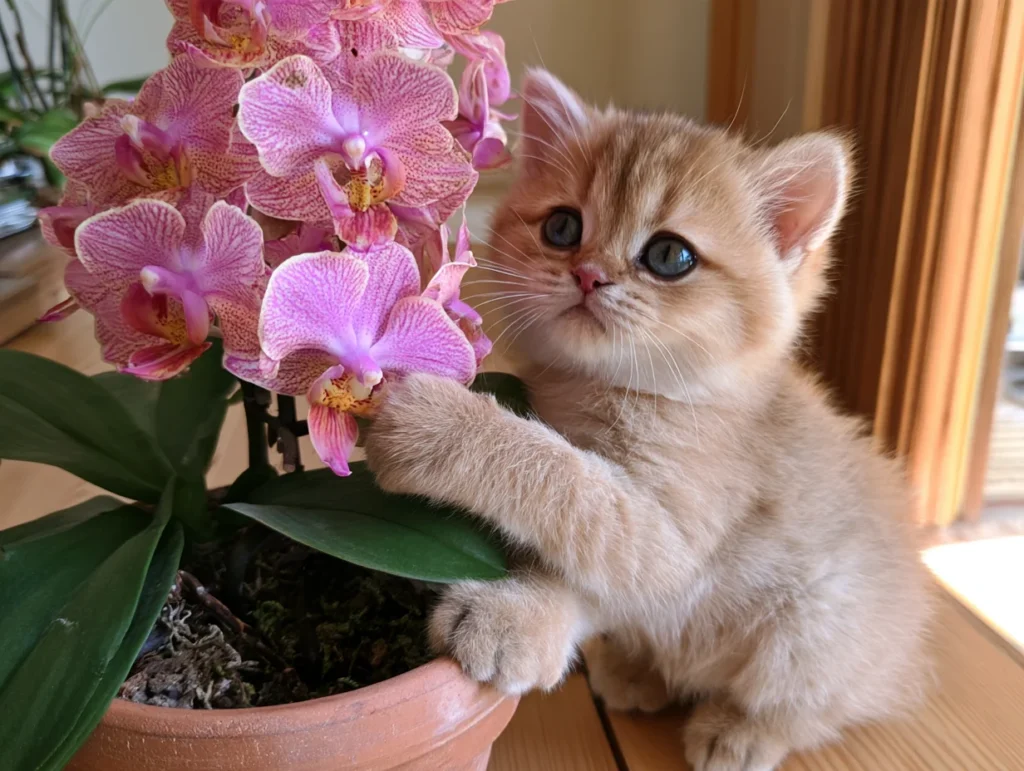
Consider replacing dangerous ornamentals with cat-friendly choices such as spider plants, Boston ferns, African violets, orchids, or cat grass. Verify the identity and safety of every plant before purchase, since similarly named varieties can differ and individual cats may react differently. Suspected exposure to lilies, oleander, sago palm, autumn crocus, or azalea or rhododendron requires immediate professional guidance, even when no symptoms are visible.